Ask a homeowner what they want from a meter box lock, and the answer is simple. They want something strong. Something that stops kids from messing with it. And something that still lets the meter reader in.
Ask a strata manager the same question, and it's a different story. They think about restricted keys, body corporate approval, and five tenants who all think someone else is handling it.
Neither answer is wrong. They're just solving different problems. Most lock advice online is written for one type of property, but not both. This guide sorts out which one applies to you — and what that means for the lock you buy, in Perth and across Western Australia.
The Core Difference: Residential vs Commercial
| Residential | Commercial / Strata | |
|---|---|---|
| Setup | One box, one household, one person responsible | Multiple tenants, shared meter rooms, unclear ownership |
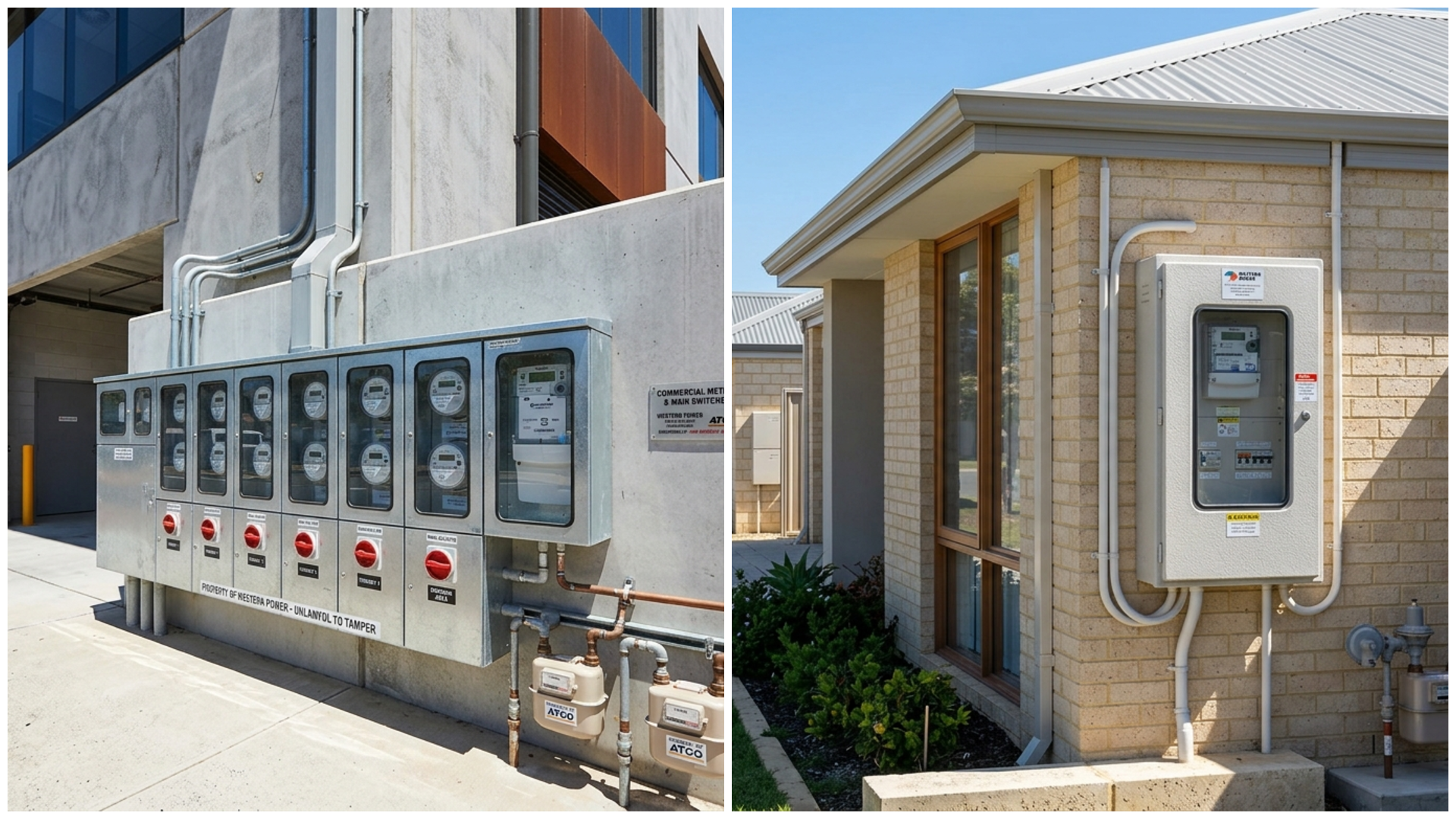
| Lock type | Standard padlock matched to your distributor's system (e.g. Ausgrid, Energex, or WAS in WA) | Restricted/master-keyed systems (Abloy, Lockwood, etc.) where keys can't be cut at a hardware store |
| Who approves it | Just yourself | Body corporate / owners corporation sign-off usually needed |
| Responsibility | You | Owners corporation, if the meter box counts as common property (under the Strata Schemes Management Act 2015 in NSW) |
| Cost | ~$30–$80 for a decent padlock | Often several hundred dollars once cylinders, cut keys, and locksmith time are factored in |
| Installation | DIY-friendly, ~10 minutes | Best left to an MLAA-accredited locksmith |
| Access needs | Just you and the meter reader | Tenants, staff, meter readers, and sometimes emergency crews — needs to be planned in from the start |
Why Your Property Type Matters
There is no single "best" meter box lock. There's a lock that's right for your situation. The first step is working out what that situation is.
One house vs a shared meter room
A house has one meter box, one family, and one person who notices when the lock needs fixing. A commercial building or strata complex is different. There might be a dozen meter boxes in one shared room. Nobody clearly owns the problem. And the locking system was often set up years ago by someone who's long gone.
Why "one-size-fits-all" advice fails
Most advice assumes you're a homeowner: one key, low traffic, simple. Try using that same approach at a site with a dozen contractors needing access on different days. Within months, you'll either have a security gap or a huge key-cutting mess.
Meter Box Locks for Homes
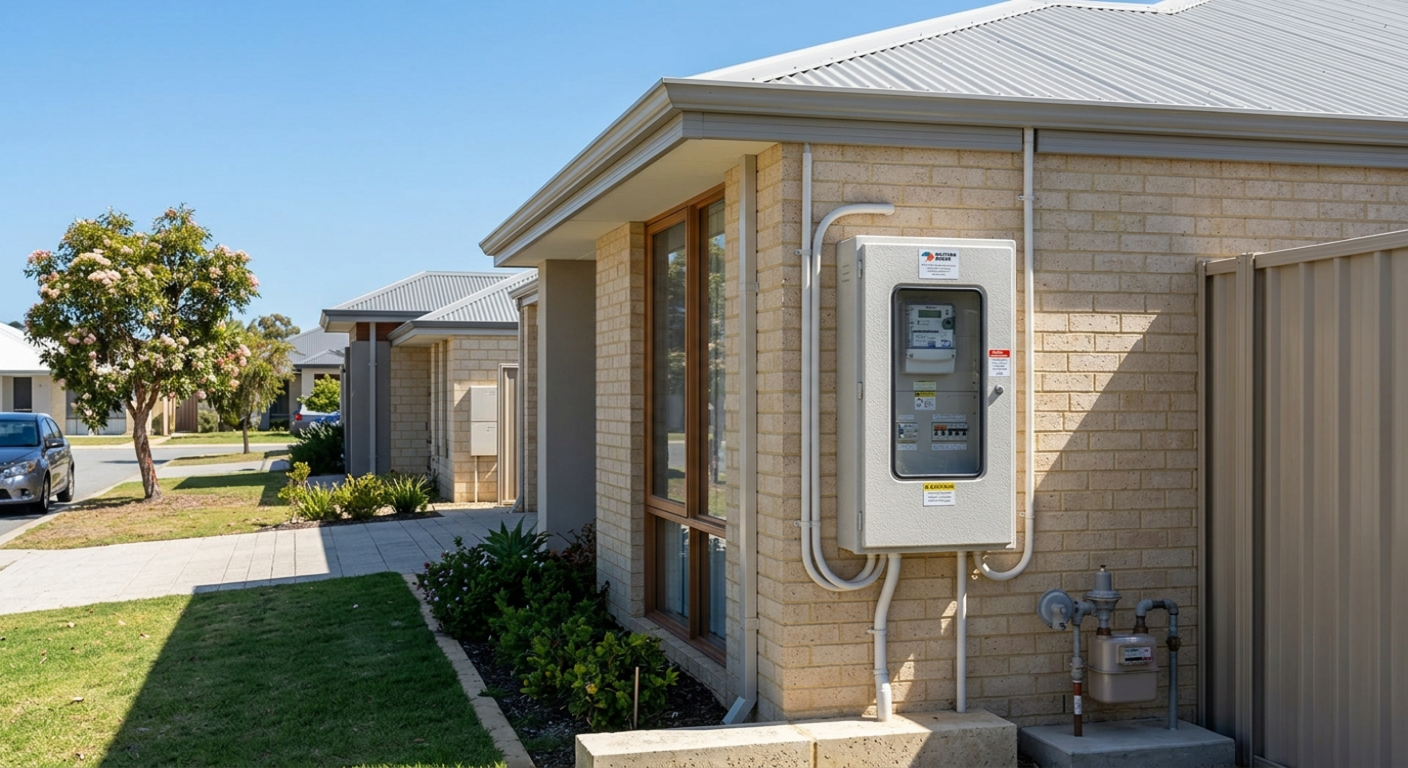
If you own a house, this part is easy.
Approved lock systems in Western Australia
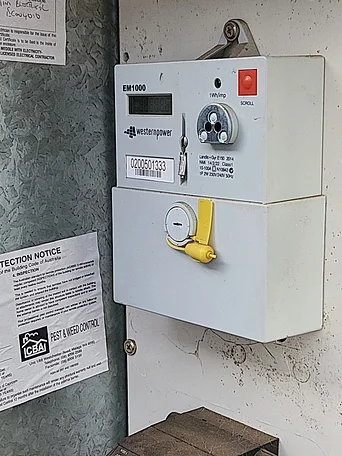
In Perth and across WA, the system is called the Western Australian Services (WAS) lock. One WAS lock gives access to Western Power, Synergy, the Water Corporation, and Alinta Gas. That means one lock covers electricity, water, and gas — no need for separate locks.
You can buy a WAS lock from a licensed locksmith, a hardware store, or a security supplier in WA. It fits just like a normal padlock. The only difference is that Western Power and the other utilities hold a master key, so their staff can still get in.
(Other states run their own systems. Ausgrid manages one for NSW, and Energex keeps a list of approved locksmiths for South East Queensland. But if you're in Perth, WAS is the one to ask for.)
Keeping it secure without locking out the meter reader
You want a lock tough enough to put off anyone opportunistic, but not so locked-down that your meter reader can't get in. A brass or stainless-steel WAS padlock usually gets this balance right.
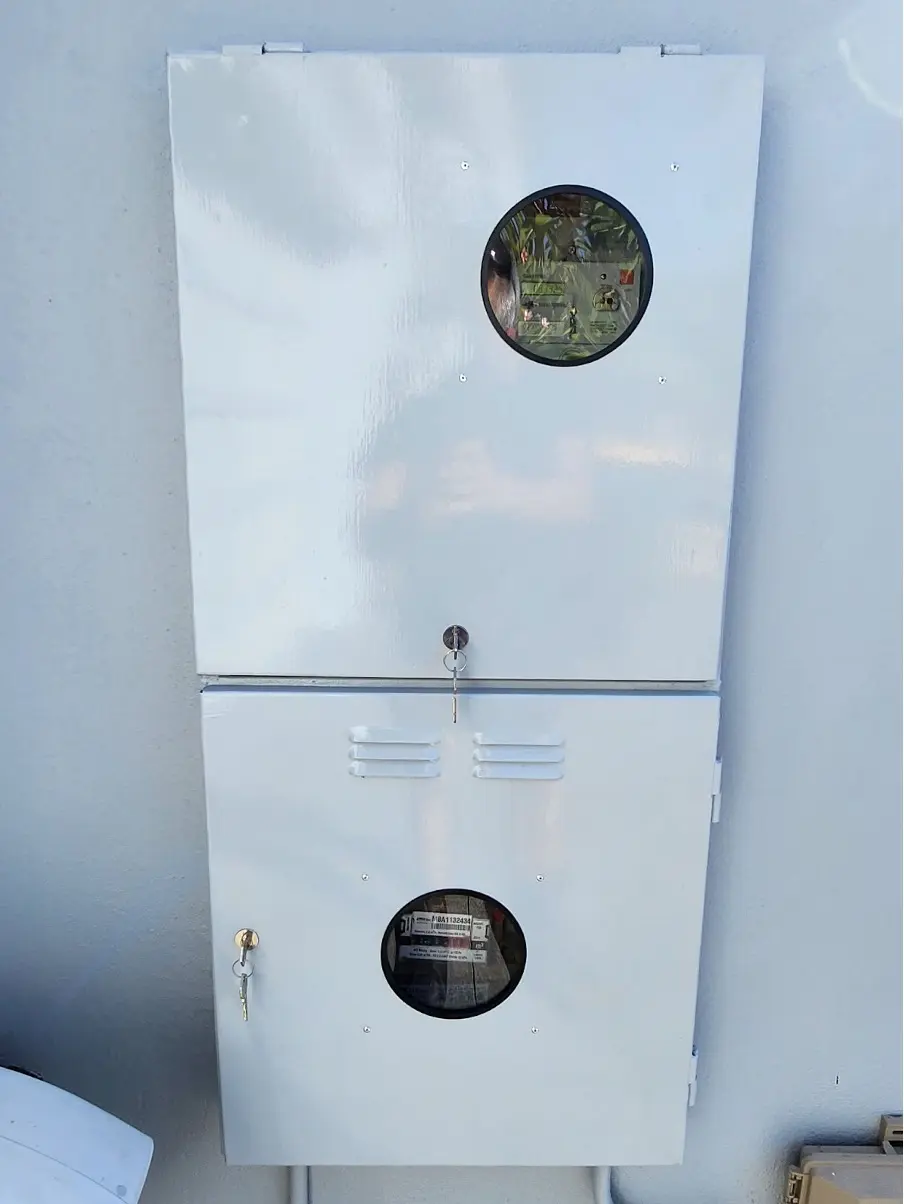
It's also worth fitting a viewing window to your meter box, if it doesn't have one already. This is a small clear panel in the meter box door. It lets the meter reader see and record your reading without opening the box at all. Your meter stays locked to everyone else, but still easy to read.
Meter Box Locks for Commercial and Strata Properties
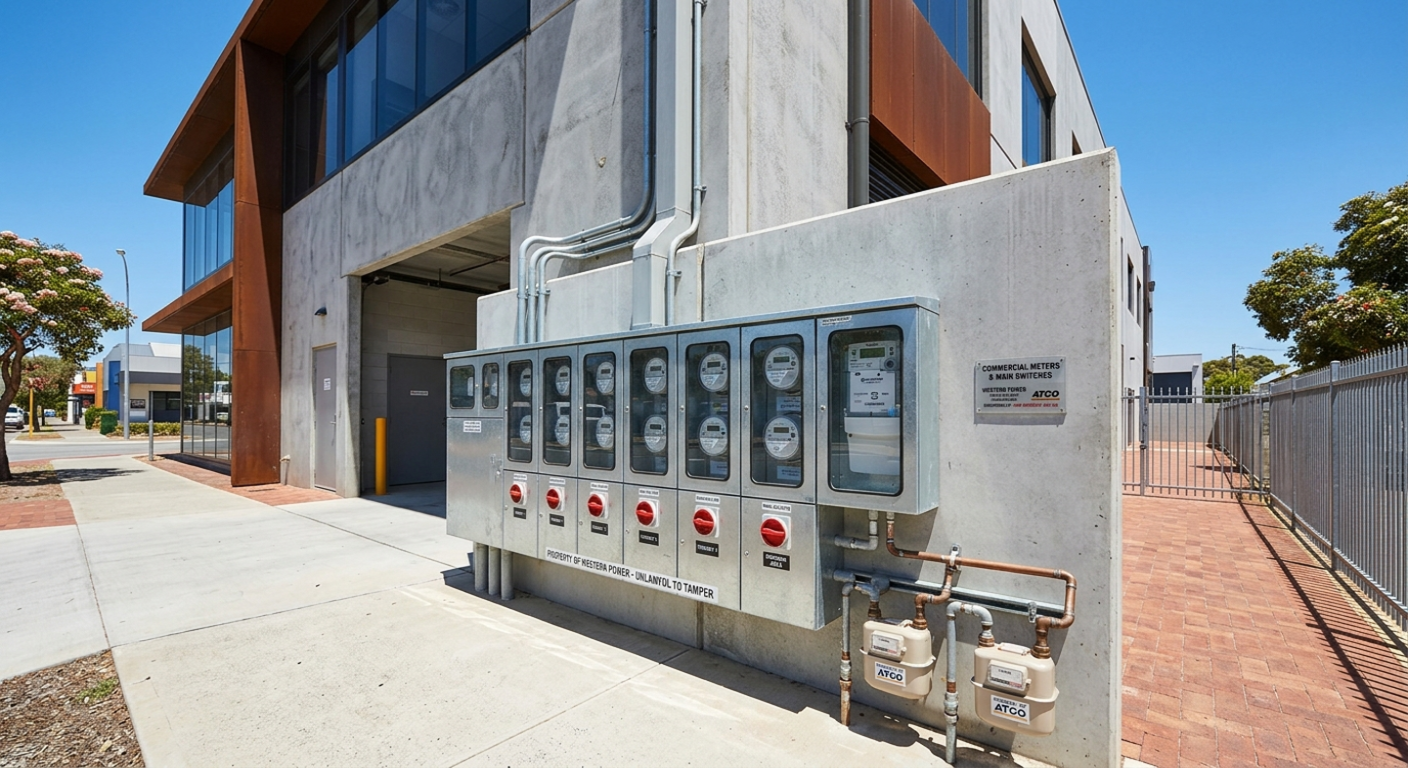
This is where things get more involved. It's less of a simple purchase and more of a small project.
Restricted key systems
Commercial and multi-tenant sites usually move to restricted or master-keyed systems. Brands like Abloy and Lockwood come up a lot here. Keys for these systems can't just be cut at the hardware store, and you can control who has access to what. Talk to an MLAA-accredited locksmith before choosing one — the right system depends on your building, not just the brand name.
Who's responsible for locks in a WA strata building?
This trips a lot of people up. In Western Australia, this is covered by the Strata Titles Act 1985. The law is clear that the strata company — meaning all the owners together — is responsible for repairing, maintaining, and managing common property. In practice, this job is usually handled by the strata council or a strata manager on the owners' behalf.
If a shared meter box counts as common property, it's the strata company's job to look after it, including the lock. If you're not sure whether your meter box falls under this, check your strata plan and by-laws — Landgate's strata living guide is a good place to start — or just ask your strata manager, which is often the fastest way to get a clear answer.
Master key access for meter readers and emergency crews
It's not only tenants and staff who need access. Meter readers do too, and sometimes emergency services. A good restricted system is planned with this in mind from day one. Adding it in later, after people start getting locked out, is a much messier fix.
Key Differences Between Lock Options
Once you know which category you're in, comparing locks comes down to a few things.
Security level
At the very top end, government sites use locks tested by the Security Construction and Equipment Committee (SCEC), Australia's body for checking security hardware used by government agencies. That level is overkill for almost any commercial meter box. But it's still a useful benchmark — it tests resistance to picking, drilling, and covert entry, which is worth keeping in mind when a product claims to be "high security" with nothing to back it up.
Cost
A good home padlock (like a WAS lock) usually costs between $30 and $80. A commercial or restricted-key system costs a lot more, once you add in cylinders, cut keys, and locksmith time. Often it's several hundred dollars, more if you have several access points across one site.
Rules and approvals
There are two boxes to tick, not one. First, check your distributor's rules — Western Power's metering FAQs for WA. Second, if it's shared property, get sign-off from the body corporate or facilities manager before changing anything. Skip either step, and you'll be sorting out problems later.
Common Mistakes to Avoid
Using a lock that blocks the meter reader
This is the most common mistake. Fitting a lock that doesn't work with Western Power's WAS system usually means you get switched to estimated billing until it's sorted out. That's annoying, and easy to avoid.
Changing strata locks without approval
Swapping a lock on shared property without checking first can cause a dispute, even if you meant well. One quick chat with your strata manager beforehand stops this from ever becoming a problem.
Getting the Right Lock Installed
DIY vs a locksmith
For a house, swapping a padlock is usually a ten-minute DIY job. For commercial or strata sites, especially anything with a restricted key system, bring in a locksmith. It's partly about the install, and partly because restricted systems usually aren't sold off the shelf anyway.
What to check first
Confirm your lock works with Western Power's WAS system before you buy it, not after. If you're in a strata building, find out who needs to approve the change. Sometimes it's a quick email. Sometimes it needs a vote at a strata meeting. Either way, it's better to know before you fit the new lock.
Frequently Asked Questions
Can I put my own padlock on my meter box in Perth?
For most houses, yes — as long as it's a WAS-approved lock that Western Power can access. For commercial or strata buildings, check with the strata company first, since the meter box may be common property.
Who is responsible for meter box locks in a WA strata building?
Usually the strata company (all the owners together), under the Strata Titles Act 1985, if the meter box is common property. Your strata plan and by-laws will confirm this for your building.
What happens if the meter reader can't get into a locked meter box?
You'll usually be moved to estimated billing until access is sorted, and you may need to book a time for someone to come back and take an actual reading.
Final Thoughts
It comes down to which type of property you have. A homeowner in Perth needs a solid, weatherproof WAS lock that Western Power can access — that's really it. A commercial or strata property needs all of that, plus a proper access plan: restricted keys, clear responsibility, and approval from the right people before anything changes. Either way, our range of meter box locks covers both — simple WAS padlocks for the house, and higher-security options for everything else.
There's a third case worth a mention too: landlords and property managers responsible for several standalone rental homes rather than one house or a single strata site. If that's you, see our guide to meter box locks for rental properties for portfolio-wide pricing and scheduling.